
Manually completing Standard Assessment Procedure (SAP) calculations for Energy Performance Certificates (EPCs) is a complex, time-consuming process fraught with the risk of human error. For energy assessors, architects, and builders, accuracy and compliance are non-negotiable. This is where dedicated standard assessment procedure software becomes an indispensable tool, transforming a tedious administrative task into a streamlined, efficient, and reliable workflow. This guide breaks down the core features and tangible benefits of modern SAP software, showcasing how it can elevate your practice.
What is Standard Assessment Procedure Software?
Standard assessment procedure software is a specialized digital platform designed to automate and guide the creation of SAP calculations, which form the backbone of EPCs for new builds and dwellings in the UK. It replaces manual spreadsheet methods and complex formulas with an intelligent, guided system that ensures compliance with the latest Building Regulations (Part L). This software is the essential tool for professionals who need to produce accurate, legally compliant energy assessments efficiently.
Core Features of Modern Standard Assessment Procedure Software
The right software does more than just calculate; it guides, informs, and streamlines the entire process.
Intuitive Data Input and Property Modeling
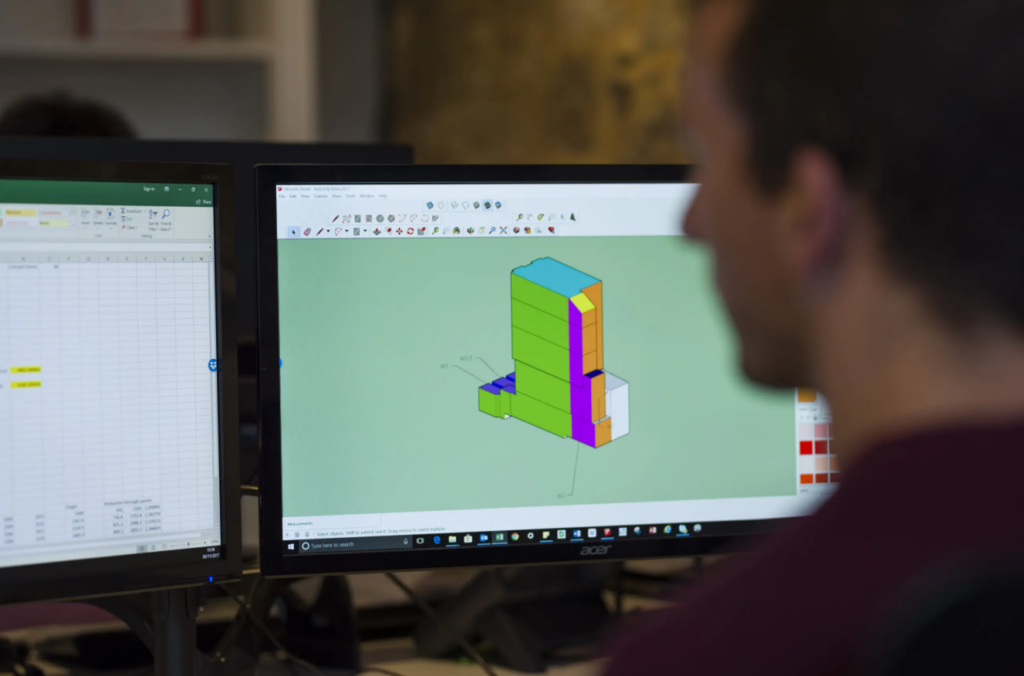
Modern SAP software features user-friendly interfaces with step-by-step wizards, dropdown menus, and visual property modeling. This allows assessors to input construction details—from wall types and insulation levels to heating systems and renewable technologies—in a structured manner, minimizing data entry errors.
Automated Calculation Engine & Compliance Checking
At its core, the software houses the official SAP calculation engine. Once data is inputted, it automatically performs the complex thermodynamic calculations required by the government’s methodology. It also includes built-in compliance checks against Part L standards, providing instant feedback on whether a design passes or fails.
Integrated Building Regulations Guidance (Part L)
The best tools integrate the latest regulatory updates directly into the workflow. Context-sensitive help, tooltips, and links to official guidance ensure that assessors are always using correct values and meeting current standards without needing to cross-reference bulky PDF documents constantly.
Dynamic EPC and Report Generation
With calculations complete, the software instantly generates the final EPC in the approved format, ready for submission to the national register. Additionally, it can produce detailed, professional reports for clients, builders, or planning authorities, explaining the assessment’s outcomes and any recommendations for improvement.
Cloud-Based Access and Collaboration Tools
Cloud-based SAP platforms allow assessors to work securely from anywhere, on any device. Projects can be easily saved, shared with team members or clients for review, and accessed for future updates, facilitating better collaboration and project management.
Key Benefits of Using Standard Assessment Procedure Software
The features above translate directly into powerful business and operational advantages.
Enhanced Accuracy and Reduced Error Risk
By automating complex calculations and standardizing data entry, the software virtually eliminates mathematical errors and inconsistencies that are common in manual methods. This ensures the highest level of accuracy, protecting your professional credibility and reducing the risk of non-compliance.
Significant Time Savings and Increased Efficiency
What once took hours can now be accomplished in minutes. Automated calculations, pre-filled data templates, and one-click report generation free up valuable time, allowing assessors to complete more assessments per day and focus on higher-value client consultations.
Streamlined Compliance and Audit Readiness
Staying up-to-date with regulatory changes is automatic. Software providers update their platforms to reflect new Part L requirements, ensuring every calculation is compliant. Furthermore, having a clear, digital audit trail of all inputs and the resulting outputs simplifies the process if an assessment is ever reviewed.
Improved Professional Reporting and Client Presentation
The ability to generate clear, visually consistent EPCs and detailed bespoke reports enhances your professional image. You can provide clients with understandable, actionable insights, helping them make informed decisions about energy efficiency and building performance.
Scalability for Handling More Assessments
The efficiency gains directly translate to scalability. Whether you’re a sole practitioner or a large assessment firm, standard assessment procedure software allows you to handle a higher volume of work without a linear increase in overhead or stress, supporting business growth.
Choosing the Right Standard Assessment Procedure Software
When selecting a platform, consider factors beyond just cost. Prioritize software that is continuously updated for UK compliance, offers responsive customer support and training, and provides a user experience that matches your technical comfort. Look for integration capabilities with other design tools and evaluate the flexibility of its reporting functions. A free trial or demo is often the best way to test if a solution fits your specific workflow.
Conclusion: Optimizing Your Assessment Workflow
Investing in robust standard assessment procedure software is not just a purchase; it’s a strategic upgrade to your entire operational workflow. By combining powerful automated features with clear, tangible benefits—from unmatched accuracy and time savings to assured compliance and a more professional service—this technology empowers you to work smarter, not harder. In an industry where precision and efficiency are paramount, leveraging the right digital tool is key to future-proofing your practice and delivering exceptional value to your clients.