
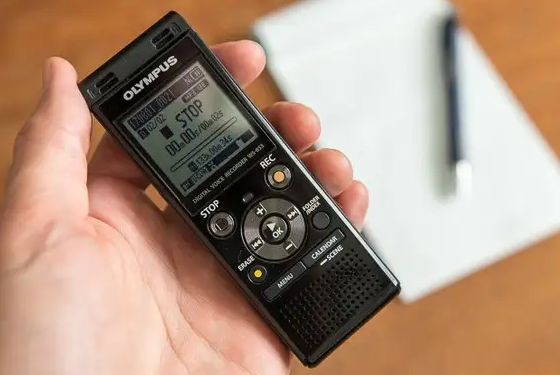
In an age where audio content is king—whether you’re recording lectures, podcasts, meetings, or personal notes—a reliable voice recorder device has become a must-have tool. From compact handheld recorders to smart digital models with AI-enhanced transcription, the range of options is vast.
But how do you choose the best voice recorder device that meets your specific needs?
In this comprehensive guide, we’ll explore everything you need to know—from types and features to real-world applications and buying tips.
What Is a Voice Recorder Device?
A voice recorder device is an electronic gadget designed to capture and store audio, particularly spoken word. Unlike smartphones, dedicated voice recorders are built for high-fidelity audio, long battery life, and specialized features like noise cancellation or multi-directional microphones.
Common Uses Include:
- Recording lectures and meetings
- Creating podcasts or interviews
- Capturing personal memos or creative ideas
- Gathering audio for journalism or field research
Types of Voice Recorder Devices
There are several categories of voice recorder devices, each designed for different users and environments:
1. Digital Voice Recorders
Compact, portable, and ideal for everyday use—these recorders save audio in MP3/WAV format and support USB transfer.
2. Professional Audio Recorders
Used by journalists, podcasters, and musicians, these devices offer multi-mic input, superior sound quality, and advanced editing features.
3. Smartphone-Compatible Recorders
Plug-in or wireless recorders that enhance a phone’s native mic capabilities—great for vloggers and remote workers.
4. Wearable Voice Recorders
Discreet and lightweight, worn on the body for hands-free recording, often used in law enforcement or personal security.
Key Features to Look for in a Voice Recorder Device
Choosing the right voice recorder device depends on your intended use. Here are essential features to consider:
✅ Audio Quality
Look for devices with high sampling rates (e.g., 48kHz or higher) and uncompressed formats (WAV/FLAC) for professional use.
✅ Battery Life
Some recorders offer up to 30 hours of continuous recording—ideal for fieldwork or travel.
✅ Storage Capacity
Internal storage (from 4GB to 32GB) and SD card support provide flexibility depending on recording length and file size.
✅ Noise Cancellation
Crucial for clear recordings in noisy environments like conferences, public places, or outdoor settings.
✅ Voice Activation (VOR)
Automatically starts recording when sound is detected, saving memory and battery.
✅ USB/Cloud Syncing
Easily transfer recordings to your computer or cloud for editing, transcription, or backup.
Top Applications of a Voice Recorder Device
🎓 For Students
Capture entire lectures for later review—especially useful during fast-paced classes.
💼 For Professionals
Record meetings, interviews, and brainstorming sessions to improve productivity and accuracy.
🎙️ For Creators
Podcasters and YouTubers use voice recorders to ensure crisp, isolated audio without background interruptions.
🧠 For Personal Use
Journal thoughts, record dreams, or capture creative inspiration while on the go.
Tips for Getting the Most Out of Your Voice Recorder Device
- Test before recording important content to avoid technical issues.
- Use external mics if quality is critical (especially for interviews or outdoor settings).
- Organize files regularly using timestamps or folders.
- Use transcription tools to turn recordings into searchable text.
Best Voice Recorder Devices in 2025 (Quick Picks)
| Device | Best For | Key Feature |
|---|---|---|
| Zoom H1n | Creators/Pros | Stereo mics, WAV format |
| Sony ICD-UX570 | Students | Long battery, USB direct |
| EVISTR L157 | Everyday Use | Voice-activated, noise reduction |
| Tascam DR-05X | Musicians/Podcasters | Studio-level audio |
Note: Always check for updated reviews and user ratings before buying.
Conclusion
Whether you’re a student, journalist, creator, or just someone who likes capturing thoughts on the go, a reliable voice recorder device is a valuable companion. By understanding your recording needs and knowing what features to prioritize, you can choose a device that delivers high-quality audio, long-lasting performance, and true convenience.
In 2025 and beyond, the voice recorder device remains a powerful tool for anyone who values clear communication and memory preservation.